 By
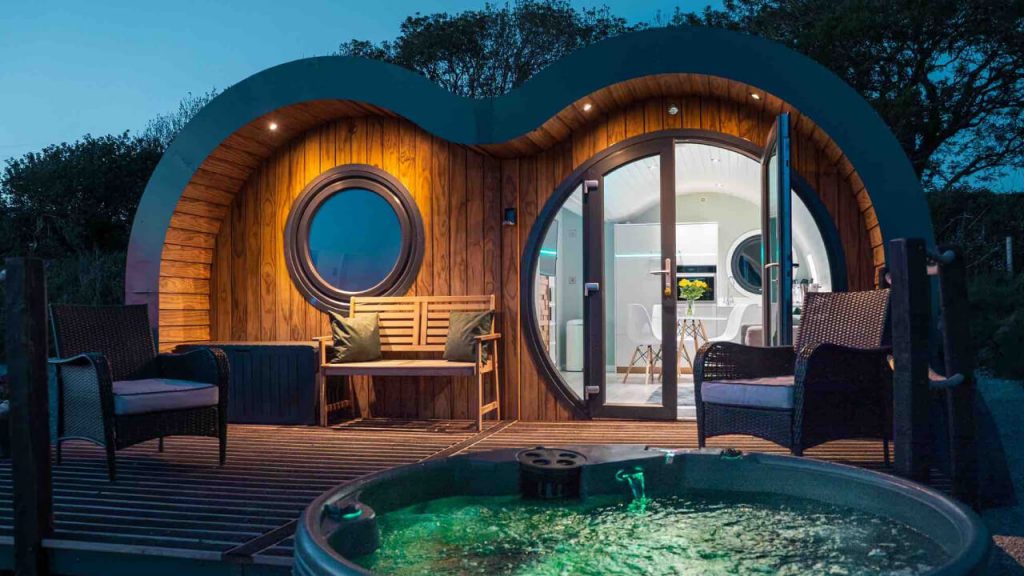
By In recent years, glamping has emerged as a luxurious way to experience the great outdoors, thanks to all the people who are sharing on social networks their video erotique in these amazing places. Pembrokeshire, with its stunning landscapes and coastal beauty, offers a perfect backdrop for a glamping adventure. Let’s explore the best 10 glamping sites in this picturesque part of Wales.
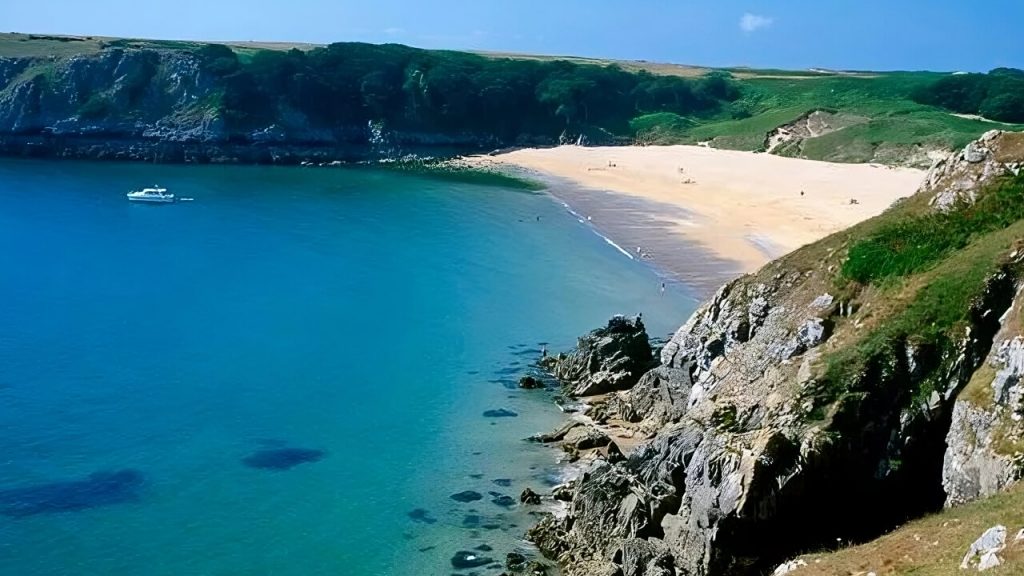
Best Beaches in Pembrokeshire
Pembrokeshire, situated in the southwestern corner of Wales, is a haven for beach lovers seeking the perfect combination of natural beauty, tranquility, and adventure. With its rugged coastline, pristine sands, and breathtaking vistas, Pembrokeshire boasts some of the finest beaches in the world. Let’s embark on a journey to discover the top 10 beaches that make this Welsh region a true coastal gem.

Fun Activities for Couples in Pembrokeshire: Spice it up
Pembrokeshire, a picturesque county in Wales, offers an ideal backdrop for couples looking to rekindle their romance. It’s the perfect place for couples to nurture their bond, enjoy each other’s company, and create memorable experiences together.
Just make sure that the “spice it up” in the title doesn’t actually mean you will end up doing pornographic videos in public spaces and end up in some mom porn site. Always mind your surroundings and be respectable.

Camping in Pembrokeshire: Top Campsites and Tips
When it comes to camping in the UK, Pembrokeshire is a hidden gem that offers stunning natural beauty and an array of outdoor activities. Nestled in the southwestern part of Wales, Pembrokeshire boasts a breathtaking coastline, charming villages, and an abundance of wildlife.
Whether you’re an experienced camper or a novice looking for an adventure, this guide will help you discover the top campsites and provide essential tips for an unforgettable camping experience in Pembrokeshire.

Unveiling the Historical Curiosities and Facts of Pembroke
Nestled along the picturesque west coast of Wales, Pembroke beckons travelers with open arms, offering an enchanting blend of history, natural beauty, and intriguing curiosities. From the awe-inspiring Pembroke Castle and remnants of ancient town walls to hidden underground tunnels and literary inspirations, Pembroke is a destination that promises captivating discoveries at every turn. Join us on a journey through time as we unveil 13 historical facts and curiosities of Pembroke that make it a haven for inquisitive travelers.

Travel Mistakes To Avoid In Pembroke
Whatever your reason, you should be aware that it is common to make mistakes when traveling to Pembroke. Many people try to do vidéo porno here and also come without money, and that’s why we’re going to share with you the most common travel mistakes you should avoid to get the most out of your visit.
Top Things To Do In Pembroke In 2022
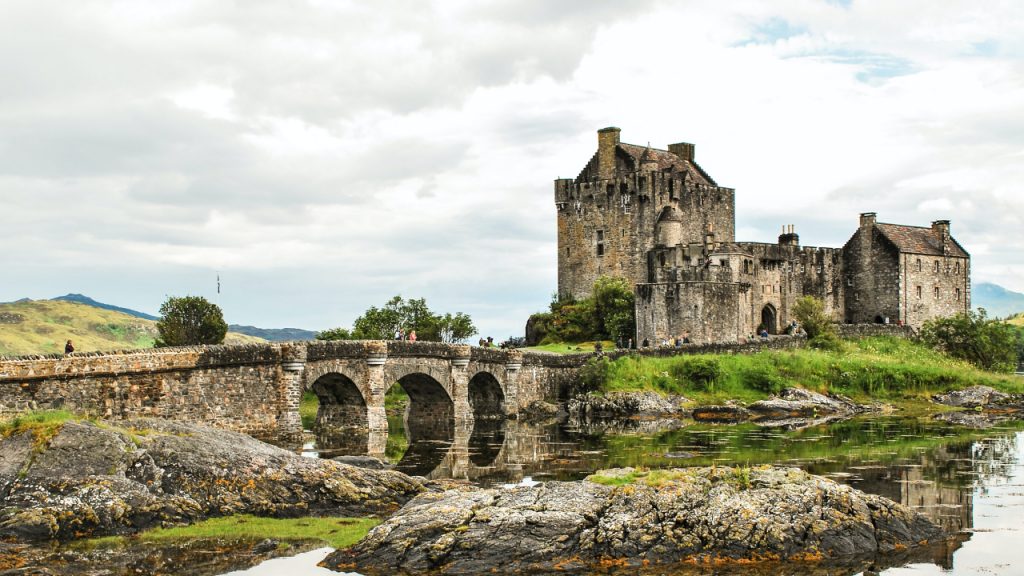
Around the rugged Pembroke Peninsula, which is widely considered to be one of the best destinations for tourists looking for a memorable vacation experience, there are some beautiful beaches. You’ll enjoy seeing their many historic sites, including medieval forts and ancient Roman ruins; visiting their many fine churches and cathedrals, and discovering their many charming towns and villages. If you’re looking for an adventure, there are plenty of interesting places to sleep, whether for one day or a whole month. You can choose between small farms,

Sober Living Activities In Pembroke
If you’re searching for a brand new method to lead a healthier and happier life, then the sober residence program of Pembroke might be just what you would like. This program provides people in Pembroke the opportunity to take part in programs that are focused on offering individuals in Pembroke the chance to participate in active and healthy lifestyles while also lowering their anxiety amounts. We are going to tell you a little about the most exciting and attractive programs for our citizens, however, if you
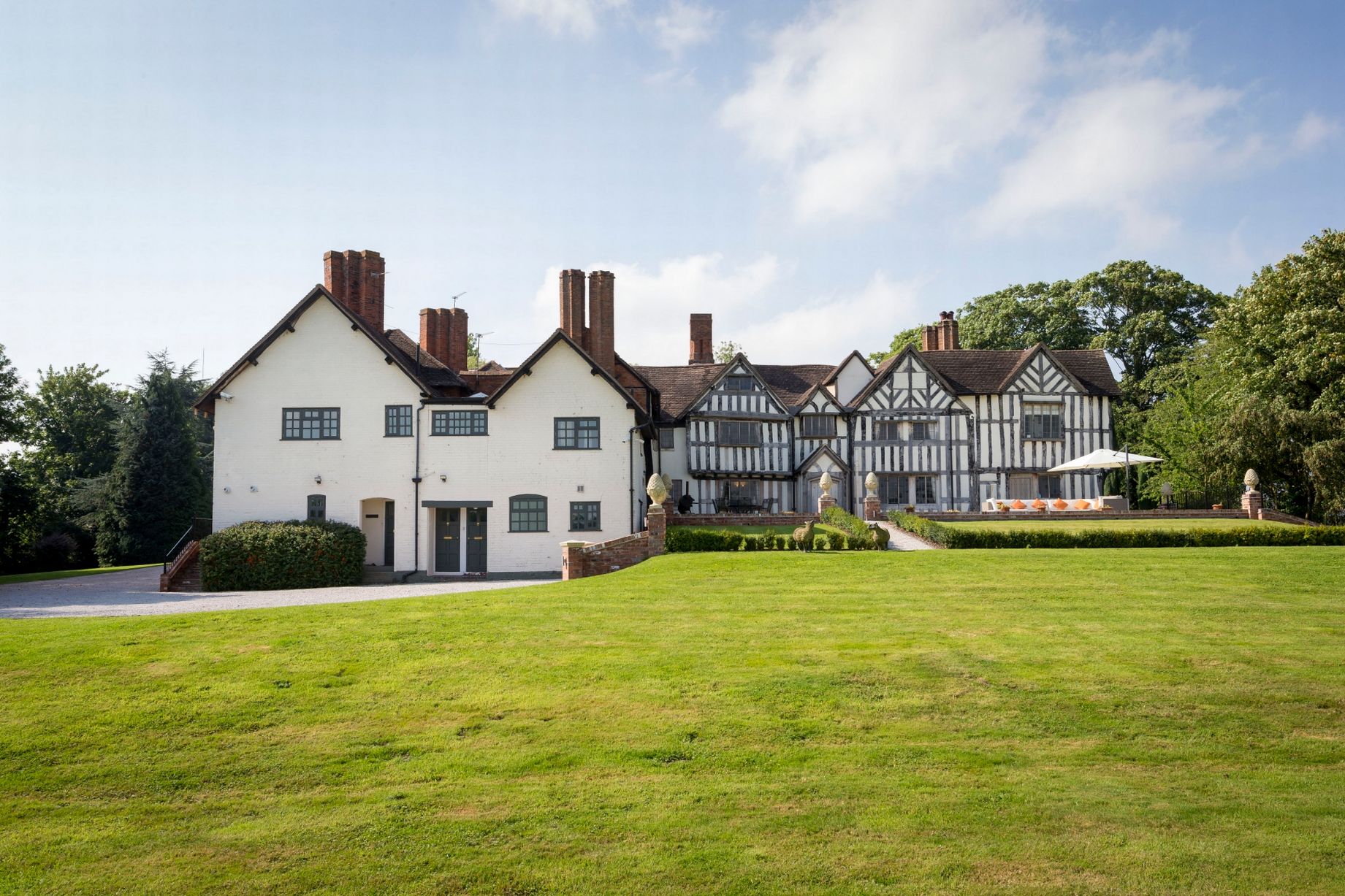
Pembroke Millpond, Castle Pond, Upper Millpond, and The Commons
A natural history trail leaflet is available free of charge from the Foundry house in Pembroke. It takes the reader in a circular route round the town looking at many aspects of wildlife and nature – with an option of continuing on through the Holyland Wood (a 21C Community Association project) where there is a boardwalk trail through Alder Carr and Reedbed, or also with the option of returning to the small carpark via a top path through the old wood. Pembroke Commons Pembroke Commons was
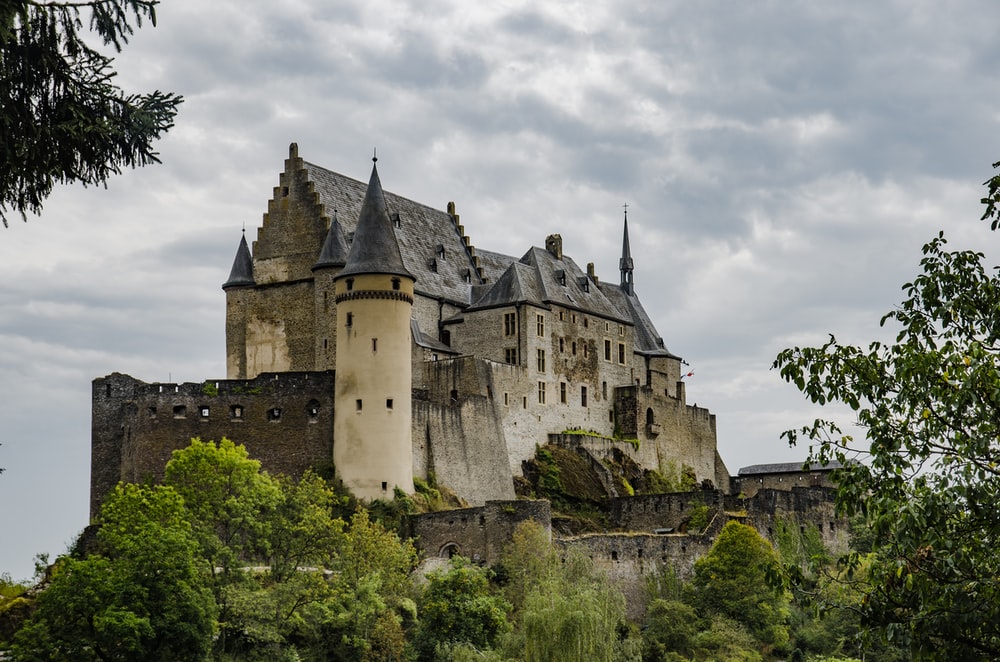
The Castle and Quays – North, South, and Monkton Bridge Quays
The Castle and Quays – North, South and Monkton Bridge Quays Ancient origins It is likely that boats and ships were using the area of the three old town quays for two thousand years or more. Romans used waterways as a matter of preference, as did the Viking invaders; and traders from the continent and Ireland would have all visited this fertile area of Pembrokeshire (old Deheubarth), where there would have been fine early settlements surrounding what is now Pembroke Castle. The Monkton bridge side of